
How Do the Rider Safety Enhancements on the 2026 Harley-Davidson® Low Rider® S Help on I-55 and Backroads near Festus, MO?
Lawless Harley-Davidson® - How Do the Rider Safety Enhancements on the 2026 Harley-Davidson® Low Rider® S Help on I-55 and Backroads near Festus, MO?
When your daily rides include lane changes on I-55, quick detours along Highway 61, and weekend loops through the rolling hills west of Festus, confidence matters as much as power. At Lawless Harley-Davidson®, we hear the same question from in-market shoppers considering the 2026 Harley-Davidson® Low Rider® S: how do the Rider Safety Enhancements actually help in real-world Missouri conditions? The answer is straightforward and practical—this tech was engineered to support your skills when the pavement or weather throws a curve, without dulling the performance that makes the Low Rider® S such a standout.
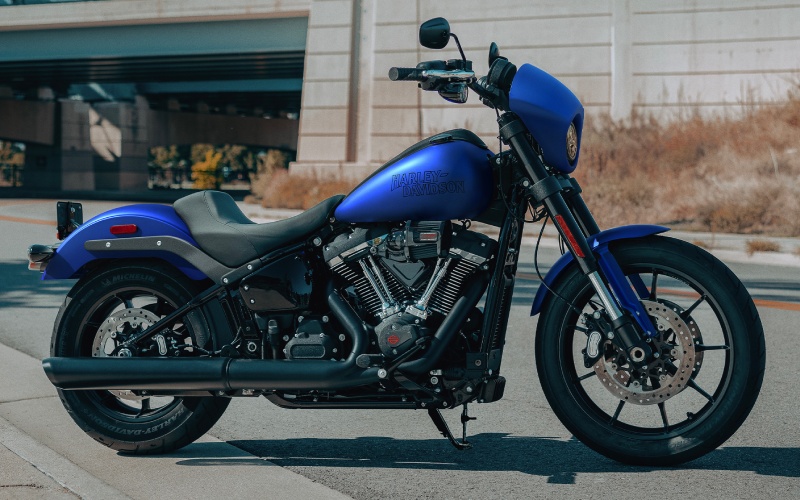
The 2026 Low Rider® S blends West Coast style and sharp handling with serious muscle from the Milwaukee-Eight® 117 High Output motor. With a Heavy Breather intake, a performance-tuned 2-into-1 exhaust, and a suspension built to cut, the platform is already capable. The real everyday difference for riders near Festus comes from the standard Rider Safety Enhancements and selectable ride modes, which work together to manage traction, braking, and deceleration events—especially valuable when rain glosses the Mississippi River bridges, leaves gather on county roads, or summer heat softens tar snakes on Route A.
Here is how the core systems contribute when conditions change across Jefferson County and the greater St. Louis South corridor:
- Anti-lock Brake System (ABS): Helps prevent wheel lock during straight-line braking so you can maintain control when traffic slows suddenly on I-55 or a surface seam surprises you on an exit ramp.
- Traction Control System (TCS): Monitors rear-wheel spin during acceleration to support grip as you roll on throttle across painted lines, damp patches under shade trees, or early-morning dew near the river.
- Drag-Torque Slip Control System (DSCS): Reduces excessive rear-wheel slip from powertrain-induced deceleration, adding stability during quick downshifts when a bend tightens sooner than expected on Highway 61.
- Tire Pressure Monitoring System (TPMS): Alerts you to low or high tire pressure so you can correct for temperature swings that are common in Missouri—chilly mornings, warm afternoons, and cold fronts moving through.
- Cornering Enhanced Anti-lock Brake System (C-ABS): Adjusts brake intervention considering lean angle, helping the bike remain composed if you trail the brakes into a corner on a slightly uneven backroad.
- Cornering Enhanced Traction Control System (C-TCS): Manages rear-wheel spin under power even while leaned, useful for mid-corner pavement changes or gravel that occasionally washes across rural intersections.
- Cornering Drag-Torque Slip Control System (C-DSCS): Helps smooth engine-braking effects while turning, supporting a steady line if you roll off abruptly because of a blind crest or an unexpected slowdown ahead.
Because these features operate in the background, you keep your focus where it belongs—reading the road and enjoying the ride. The systems step in proportionally and only when needed, leaving the Low Rider® S free to feel precise and lively through the 43 mm inverted fork, the hidden monoshock with hydraulic preload adjustment, and the grippy Michelin Scorcher 31 tires. The result is a motorcycle that feels right at home splitting time between daily commuting and spirited weekend rides in the Ozark foothills.
Ride modes add another layer of real-world control. Selectable settings tailor throttle response, engine-braking character, and how soon traction control intervenes. For riders near Festus, that means you can dial in a calmer feel for damp city grids and then choose a sharper response for dry evening runs along familiar curves. The 4-inch analog speedometer with integrated digital display puts key indicators—ride modes, traction control status, ABS, and TPMS—in plain view so you can confirm your setup before you roll.
If you are looking to fine-tune the bike for local roads and seasonal weather, a few practical habits go a long way:
- Set preload correctly: Use hydraulic preload adjustment to match your weight and typical cargo so the rear suspension maintains composure on patched pavement and expansion joints around Festus.
- Check tire pressures with TPMS: Confirm cold pressures before longer rides—Missouri temperature swings can shift PSI enough to affect grip, steering precision, and tire life.
- Choose your ride mode thoughtfully: Select a calmer setting for rain or dusted shoulders after roadside work, then opt for a sharper response when surfaces are dry and predictable.
- Brake progressively into corners: Trust C-ABS as a safety net, but build smooth technique—progressive inputs help the bike stay settled on downhill bends and cambered turns.
- Roll on the throttle smoothly: Let TCS and C-TCS support you by feeding in power gradually over painted lines, bridge grates, or patches with mixed grip.
- Stay ahead of maintenance: Fresh brake pads, clean sensors, and correct tires keep every safety system at its best—our service team can inspect and advise based on your riding mix.
Performance remains a hallmark of the 2026 Harley-Davidson® Low Rider® S. The Milwaukee-Eight® 117 High Output motor delivers 114 horsepower and 128 ft-lbs of torque, with a broad spread that feels confident slicing through freeway merges or climbing rolling grades west of town. A performance-tuned 2-into-1 exhaust and Heavy Breather intake help the engine respond crisply, while geometry and chassis components contribute to 31.3 degrees of lean angle both left and right—useful when a winding route beckons after work.
Comfort and control come from details you notice every day. The steep-backed solo seat supports you under hard acceleration. All-LED lighting improves visibility in early-morning fog that can settle along the river and in low-sun commutes when glare bounces off windshields. Black Radiate cast aluminum wheels, floating rotors, and stout brake calipers provide robust feedback. And with the gauge readout that includes ride mode, traction control, ABS, TPMS, and more, you have the information you need at a glance without distraction.
If you ride near Festus, Crystal City, Herculaneum, or anywhere along the I-55 corridor, our team at Lawless Harley-Davidson® can walk you through how to set up a 2026 Harley-Davidson® Low Rider® S for your routes and your style. From suspension preload and tire selection to seasonal service planning, we will help you get the most from the Rider Safety Enhancements so the motorcycle feels intuitive on your roads and in your conditions.
Frequently Asked Questions:
How do the Rider Safety Enhancements on the 2026 Harley-Davidson® Low Rider® S help on I-55 and backroads near Festus?
They manage traction and braking when conditions change, stepping in only as needed to help you maintain control. ABS and C-ABS support stability during firm stops, TCS and C-TCS assist when surfaces vary mid-corner or during hard acceleration, DSCS and C-DSCS smooth engine-braking effects, and TPMS keeps you informed about tire pressures as temperatures swing. Together, they add a buffer for unexpected moments—rain-slick patches, gravel near driveways, and sudden slowdowns—while preserving the responsive character of the Low Rider® S.
Do I need to turn anything on in the rain, or does the bike adjust automatically?
Core systems like ABS, TCS, DSCS, and their cornering-enhanced counterparts work automatically. You can choose a ride mode that provides a calmer throttle and engine-braking feel for rain or mixed surfaces, then return to a more direct response when the pavement dries. Always confirm tire pressures and give yourself extra space for smooth inputs in wet conditions.
Will these systems limit performance when I want a more spirited ride on familiar routes?
No—intervention scales with conditions and your inputs. On clean, dry pavement, the Low Rider® S feels direct and athletic, allowing you to enjoy its chassis and Milwaukee-Eight® 117 High Output punch. Rider Safety Enhancements are there as a guardrail for the moments when grip or balance changes unexpectedly, not as a constant limiter.
How does TPMS help with Missouri’s temperature swings and seasonal riding?
Tire pressure changes with temperature, and in the Festus area it is common to see chilly mornings followed by warm afternoons or quick-moving weather fronts. TPMS alerts you if pressure moves outside the recommended window so you can adjust before a long commute or a weekend loop. Correct pressures improve grip, steering feel, and tire longevity—especially valuable when road surfaces vary.
At Lawless Harley-Davidson®, our priority is preparing you and your motorcycle for the riding you actually do—weekday miles on I-55, quick errands in Crystal City, and those backroad detours that make the Low Rider® S so rewarding to own. Connect with our team for a personalized setup conversation and a thorough walk-through of how the Rider Safety Enhancements and ride modes can fit your routes, your schedule, and Missouri’s four-season weather.