
How Do Ride Modes and Rider Safety Enhancements Work on the 2026 Harley-Davidson® Low Rider® S for Evansville, IN Riders?
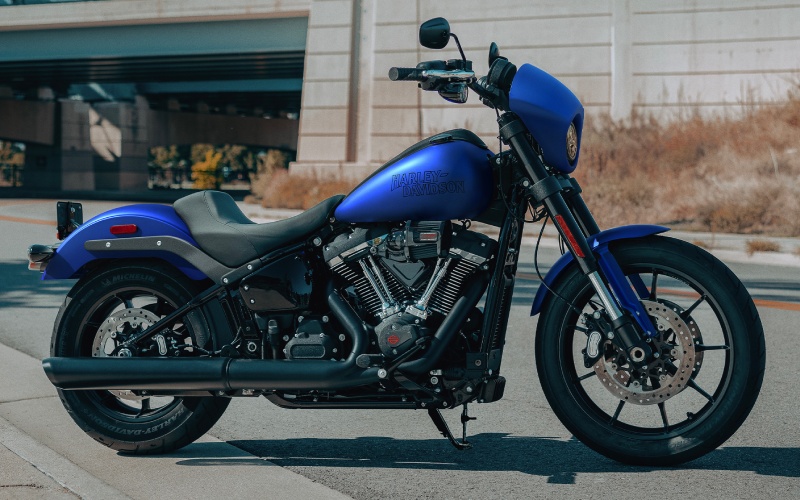
Lawless Harley-Davidson® - How Do Ride Modes and Rider Safety Enhancements Work on the 2026 Harley-Davidson® Low Rider® S for Evansville, IN Riders?
Riders want a performance cruiser that thrills on command yet stays composed when conditions change. The 2026 Harley-Davidson® Low Rider® S brings that balance home with selectable ride modes and a comprehensive suite of Rider Safety Enhancements—smart tech that works quietly in the background while you focus on the next corner.
Understanding what these systems do, how they interact, and when they step in helps you get the most from the platform. In this guide, we break down the on-road benefits for everyday use around city grids, open highways, and twisting county lanes—so your setup matches your style. Lawless Harley-Davidson® is serving Evansville, Marion, and Jonesboro with expert setup and real-world advice for riders who want performance without guesswork.
Ride modes shape the throttle map and the level of electronic intervention to suit your environment. On dry pavement, choose a sportier response for crisp inputs and immediate drive; when traction drops, a more measured map smooths throttle transitions and helps keep the rear tire hooked up. The goal isn’t to mute the Milwaukee-Eight® 117 High Output motor—it’s to deliver its torque in the way you can best use it right now.
Rider Safety Enhancements add a safety margin without disrupting your flow. Systems such as Cornering Enhanced Anti-lock Brake System (C-ABS) and Cornering Enhanced Traction Control System (C-TCS) consider lean angle during braking and acceleration. If you trail-brake into a decreasing-radius turn or roll on the throttle over a painted line, the bike helps you maintain stability. Drag-Torque Slip Control System (DSCS) and Cornering Drag-Torque Slip Control System (C-DSCS) address rear-wheel slip during rapid downshifts or sudden off-throttle events—especially helpful in rain, cold snaps, or when debris collects at intersections.
- Mode Selection: Use the mode that matches surface grip and pace; switch as conditions evolve to keep response intuitive.
- Cornering Systems: C-ABS and C-TCS help preserve composure mid-lean, where abrupt inputs can unsettle the chassis.
- Downshift Stability: DSCS and C-DSCS reduce rear hop or slide during aggressive engine braking, particularly on slick surfaces.
- Tire Awareness: TPMS alerts you to pressures that affect handling, braking distances, and tire life.
There is no substitute for smooth inputs and good judgment, but these technologies are engineered to back you up in the moments that matter. When you stack the features together—ride modes, cornering-aware systems, and TPMS—you get a performance cruiser that feels composed across a wider range of conditions. That’s confidence you can feel at the lever and the throttle.
Frequently Asked Questions:
Will ride modes limit performance when I want maximum acceleration?
No. Choose the sportier map for the most direct throttle feel. You still control input; the selected mode just sets how quickly the engine responds, keeping intent and output aligned.
Do Cornering Rider Safety Enhancements intervene during every turn?
They monitor conditions continuously but only step in when sensors detect wheel slip or braking that could compromise stability. If grip is good and your inputs are smooth, you won’t feel them working.
How does TPMS help in everyday riding?
Correct tire pressure is essential for consistent handling and braking. TPMS alerts you to deviations before they become a problem, supporting performance and tire longevity.
Can I still feel the signature Low Rider® S character with these systems active?
Absolutely. The chassis, engine tune, and exhaust define the bike’s personality. Electronic systems are tuned to be unobtrusive, preserving the direct, connected feel that riders expect.
If you are building your 2026 Low Rider® S for mixed use—weekday city miles and weekend backroad runs—start by pairing your preferred ride mode with a thoughtful suspension preload and tire-pressure baseline. From there, consider wind management and ergonomic tweaks to keep your focus on the road and your lines clean. Our team can walk you through setup and accessory choices so your bike feels natural from the first mile.
For riders who want precision and power working together, the 2026 platform delivers a smarter way to ride—without sacrificing the feel that makes this motorcycle a standout.